
When developing Software as a Service (SaaS) or Micro SaaS applications, effective DevOps practices and containerization solutions are crucial for ensuring smooth development, deployment, and management. By leveraging these technologies, you can achieve consistency, scalability, and automation, allowing your team to focus on delivering exceptional features. Let’s dive into some of the best tools and platforms for your Next.js applications.
What is DevOps and Why is it Important? 🤔
DevOps is a set of practices that combines software development (Dev) and IT operations (Ops) to shorten the development lifecycle while delivering high-quality software. It emphasizes collaboration, automation, and continuous integration/continuous deployment (CI/CD) practices.
Containerization, often used within DevOps, packages applications and their dependencies into containers. This ensures that your application runs the same way across different environments, from development to production.
These practices are especially beneficial for SaaS and Micro SaaS applications, as they:
- Enhance Collaboration: Foster communication between development and operations teams.
- Increase Deployment Frequency: Automate testing and deployment processes to release features faster.
- Improve Reliability: Ensure consistent environments reduce issues during deployment.
Vercel, created by the team behind Next.js, offers hosting tailored specifically for Next.js applications.
Best For Businesses looking for a seamless deployment experience for Next.js.
Features:
- Zero Configuration Deployment: Automatic scaling and deployment without hassle. 🎉
- Serverless Functions: Built-in support for serverless functions and edge caching. 🏎️
- Optimized Performance: Enhanced performance tailored to Next.js applications. 🚀

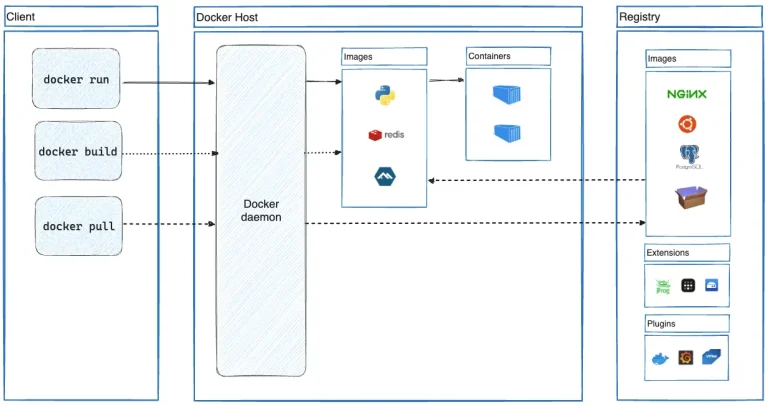
Docker is a widely-used platform that enables businesses to build, ship, and run applications inside containers.
Integration with Next.js: Create a Dockerfile to containerize your Next.js application, ensuring it runs consistently across different environments.
Features:
- Consistent Environments: Ensures the same setup for development, testing, and production. 🌍
- Dependency Management: Simplifies the management of application dependencies. 📦
- Multi-container Support: Facilitates complex applications using Docker Compose. ⚙️
Kubernetes is an open-source container orchestration platform designed to automate deployment, scaling, and management of containerized applications.
Integration with Next.js: Deploy your Dockerized Next.js application on a Kubernetes cluster for scalable production environments.
Features:
- High Availability: Provides load balancing and ensures uptime for applications. 🔄
- Automatic Scaling: Manages scaling based on demand without manual intervention. 📈
- Rolling Updates: Supports updates with zero downtime and self-healing capabilities. 🔧
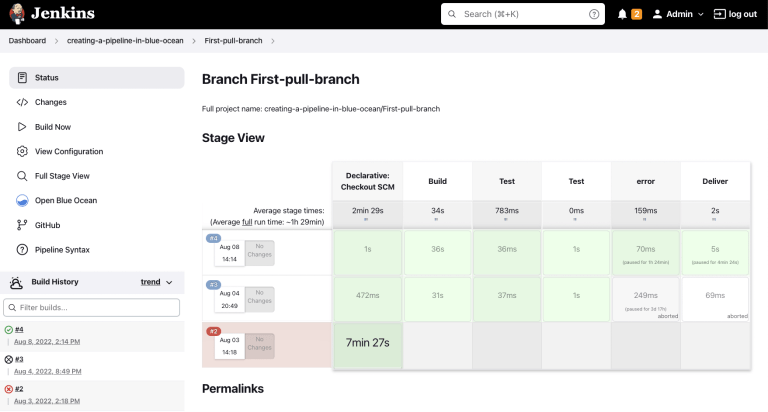
Jenkins is a popular open-source automation server that streamlines various stages of software development.
Integration with Next.js: Set up CI/CD pipelines for your Next.js applications, automating testing and deployment.
Features:
- Extensive Plugin Ecosystem: Integrates with a wide range of tools and services. 🛠️
- CI/CD Pipelines: Automates building, testing, and deployment processes. 🔄
- Customizable Workflows: Allows for tailored pipelines suited to your project needs. 🎨
GitHub Actions is a CI/CD tool integrated directly into GitHub, enabling you to automate workflows based on repository events.
Integration with Next.js: Create workflows to automatically build and deploy your Next.js application when changes are pushed.
Features:
- Streamlined Workflows: Supports building, testing, and deploying applications easily. 🔥
- Reusable Actions Marketplace: Offers a library of actions to simplify your workflows. 📦
- Event-Driven Automation: Trigger workflows based on repository activity. ⏰
Terraform is an Infrastructure as Code (IaC) tool that allows you to create and manage infrastructure using configuration files.
Integration with Next.js: Use Terraform to provide the necessary cloud resources to host your Next.js application.
Features:
- Cloud Provider Compatibility: Works with AWS, Azure, GCP, and more. ☁️
- Versioning: Enables tracking changes to infrastructure configurations. 🔖
- Resource Management: Simplifies the provisioning and management of cloud resources. 📊

Amazon ECS is a fully managed container orchestration service that simplifies deploying, managing, and scaling containerized applications using Docker on AWS.
Integration with Next.js: Deploy your Dockerized Next.js application on Amazon ECS for scalable cloud hosting.
Features:
- Integration with AWS Services: Works seamlessly with IAM, CloudWatch, and ELB. 🔗
- Flexible Launch Types: Supports both Fargate (serverless) and EC2 for running containers. ⚡
- Automatic Scaling: Easily scales applications based on traffic demands. 📈
Your Partner in High-Impact Digital Product Development
Ciphers Lab is committed to delivering top-tier digital products that not only meet but exceed industry standards. Our expertise spans from UI/UX design and full-stack development to AI-powered solutions and e-commerce platforms, ensuring your project receives the best in innovation and performance. If you’re looking to develop a unique SaaS product or any other digital platform, our team’s collaborative approach and technical expertise can help you bring your ideas to life with precision and creativity.
Connect with us to see how we can make your vision a reality.
Conclusion 📝
Choosing the right DevOps and containerization tools for your Next.js application hinges on your specific needs regarding scalability, automation, and integration.
- Vercel is recommended by the community for SaaS applications especially for Micro SaaS building using Next.js
- Docker is essential for creating consistent environments across development stages.
- Kubernetes offers powerful orchestration for managing containerized applications at scale.
- Jenkins and GitHub Actions excel at setting up CI/CD pipelines to automate testing and deployment.
- Terraform helps manage infrastructure as code efficiently.
